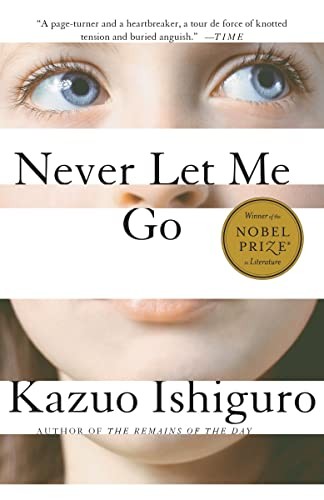
I went into this knowing the premise, kids raised at a boarding school, turns out they exist to be organ donors, so I thought I knew the shape of the dread coming. What actually got me wasn’t the reveal, it was the acceptance. One reader put it exactly right, off-putting how completely these characters accept their fate, you keep waiting for the escape plan and it never comes, and that absence is the whole book. Nobody runs. Nobody even seriously considers running. Kathy just narrates her life the way you’d narrate anyone’s life, gently, a little sideways, and the horror sits underneath the calm surface the entire time instead of erupting out of it.
That restraint splits readers hard, and I get why. One review called it out almost with contempt, said Ishiguro trundles, has no talent for revelation, the shocks land like stubbed toes rather than blows, and I understand the complaint even though I disagree with it. This isn’t a book built to shock you. It’s built to make the mundane unbearable in retrospect, a trip to Norfolk, a cassette tape, small human things made devastating because you know what’s coming for the people having them.
Somebody else compared it to the movie Surrogates, very interesting premise, just okay execution, and that’s fair as a description of a certain kind of sci-fi concept novel, but I think it undersells how much Ishiguro is doing with restraint as a technique rather than a limitation. The first half does drag, several people said so and I won’t argue, but the back half is where the quiet pays off, when Kathy and Tommy finally, briefly, ask the question everyone’s been avoiding.
One reviewer called it a strong existentialist novel that indeed never lets you go, and that’s not just a pun on the title, it’s accurate, this one sits with you. Do not read it while you’re already sad. It will not help.