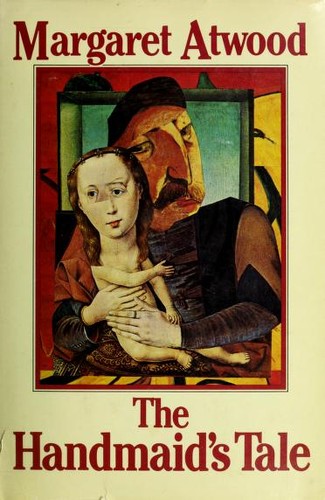
I put off The Handmaid’s Tale for years because I assumed I already knew what it was, a warning, a thesis with characters attached. What actually got me was how sparse it is, how much of the book is Offred just keeping herself company inside her own head, filling the dead hours with memory because there’s nothing else in the room to fill them with. That’s the trick of it. The plot barely moves for stretches and you don’t notice because the internal dialogue is doing all the work, and it’s breathtaking and a little suffocating at the same time, which I think is the point.
What surprised me, going in expecting a straight dystopia, was how much of it reads as a reread book, one you’re supposed to come back to at a different age and find something new in. A few readers mentioned exactly that, coming back years later and bumping their rating up because a scene that felt distant the first time landed different once they had more life to measure it against. I believe it. There’s a line, nolite te bastardes carborundorum, that Offred finds scratched into a closet wall by a woman before her, dog latin for don’t let the bastards grind you down, and it’s such a small dumb joke of a phrase to carry that much weight, but it does.
I’ll say the ending frustrated me on a craft level even though I think it’s the right choice, no definitive closing, just a shift sideways into an academic conference picking over Offred’s testimony centuries later like pottery shards. Cold, funny, a little cruel to the reader who wanted resolution. It’s not really a book about plausibility, whether Gilead could happen exactly like this, it’s a book about which casually held attitudes, taken far enough, get you there. I don’t reread much. I might reread this one.