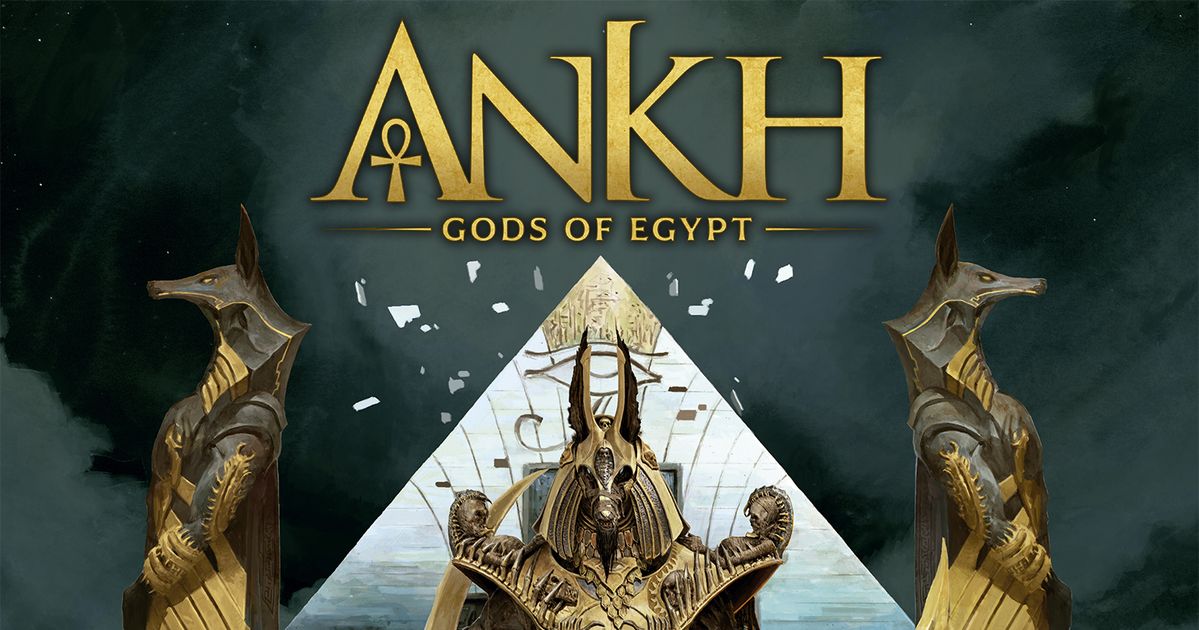
Somebody described Ankh as a review as a relationship, setting: incredible, action mechanics: genuinely clever, components: a disappointed howl, and I laughed because that’s about right. This is a gorgeous game with real weight to its area control, a chess-like tension where you’re constantly reading everyone else’s board before committing to your own move, and it is also, unmistakably, a game that got a little overproduced. There’s a lot here that could’ve been streamlined without losing anything, and setup reflects that, one reviewer called it a beast to set up with required parts scattered across five separate boxes, and that’s not an exaggeration if you’re running the full Kickstarter deluxe pledge.
Once it’s actually on the table, though, the tension is real and it’s the good kind. No dice, no hidden information, everything you’re worried about is visible and still frightening, which is a specific and satisfying flavor of dread that a lot of “dudes on a map” games don’t manage. Each god has one power to start, expandable as the game goes, and the way those powers interact with the merge mechanic creates situations where you’re reading three moves ahead the way you would in chess, except with an actual theme wrapped around it instead of an abstract board.
The merge mechanic itself, where trailing players combine forces as a kind of catch-up, is the most argued-about piece of the design, and I understand why, it’s called controversial repeatedly and for good reason, a runaway leader who avoids getting merged against can snowball hard once the merge finally lands and there’s not quite enough left to stop them. It’s not broken, but it’s the one piece of the ruleset I’d want house-ruled if my group played this often enough to care.
Comparisons to Eric Lang’s other two games in this loose trilogy, Rising Sun and Blood Rage, come up constantly, and for good reason, this feels like the tightest of the three to me even with the rough edges. Worth the setup tax. Just budget the time for it.